
Melanoma Treatment Options: Surgery, Immunotherapy, and Beyond
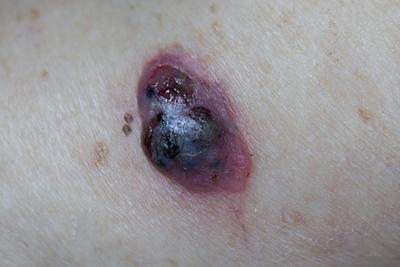
- posted: Jan. 09, 2026
Melanoma is a serious form of skin cancer that requires timely, individualized care. Treatment depends on several factors, including the stage of the cancer, its location, and whether it has spread beyond the skin. At the Dermatology Center of Southern Indiana (DCSI), patients receive coordinated care focused on effective treatment, close monitoring, and long-term skin health.
Surgical Treatment for Melanoma
Surgery is usually the first and most important step in treating melanoma. For early-stage melanoma, surgical excision removes the cancer along with a margin of healthy skin to lower the risk of recurrence. In many early cases, surgery alone may be curative. A sentinel lymph node biopsy may also be performed to determine whether cancer cells have spread and to guide further treatment decisions.
Immunotherapy and Advanced Medical Treatments
For advanced or metastatic melanoma, immunotherapy offers an effective treatment option by strengthening the immune system’s ability to detect and attack cancer cells. This therapy may be used alone or combined with chemotherapy or radiation and has improved outcomes for many patients. Targeted therapy is another option for melanomas with specific genetic mutations, helping slow disease progression and improve quality of life.
Additional Treatment Approaches
In some situations, additional treatments such as radiation therapy may be recommended. Radiation can help manage melanoma that cannot be fully removed with surgery or relieve symptoms if cancer has spread to other areas. Treatment decisions are carefully tailored, taking into account the patient’s overall health, preferences, and long-term goals.
The Importance of Ongoing Monitoring
Treatment does not end when melanoma is removed or controlled. Regular follow-up visits remain essential for detecting recurrence or new skin cancers. Ongoing skin exams, patient education, and sun protection guidance play a critical role in long-term outcomes. Early identification of changes allows for prompt intervention and improved prognosis.
Comprehensive Melanoma Care at DCSI
At the Dermatology Center of Southern Indiana (DCSI), melanoma care focuses on early detection, appropriate treatment selection, and continued follow-up. Patients benefit from experienced dermatologic evaluation and coordination with additional specialists when advanced care is needed.
If you have been diagnosed with melanoma or have concerns about a suspicious skin lesion, schedule an appointment with DCSI today. Call 812-339-6434 to discuss evaluation, treatment options, and next steps in protecting your skin health.
- posted: Jan. 09, 2026
Melanoma is a serious form of skin cancer that requires timely, individualized care. Treatment depends on several factors, including the stage of the cancer, its location, and whether it has spread beyond the skin. At the Dermatology Center of Southern Indiana (DCSI), patients receive coordinated care focused on effective treatment, close monitoring, and long-term skin health.
Surgical Treatment for Melanoma
Surgery is usually the first and most important step in treating melanoma. For early-stage melanoma, surgical excision removes the cancer along with a margin of healthy skin to lower the risk of recurrence. In many early cases, surgery alone may be curative. A sentinel lymph node biopsy may also be performed to determine whether cancer cells have spread and to guide further treatment decisions.
Immunotherapy and Advanced Medical Treatments
For advanced or metastatic melanoma, immunotherapy offers an effective treatment option by strengthening the immune system’s ability to detect and attack cancer cells. This therapy may be used alone or combined with chemotherapy or radiation and has improved outcomes for many patients. Targeted therapy is another option for melanomas with specific genetic mutations, helping slow disease progression and improve quality of life.
Additional Treatment Approaches
In some situations, additional treatments such as radiation therapy may be recommended. Radiation can help manage melanoma that cannot be fully removed with surgery or relieve symptoms if cancer has spread to other areas. Treatment decisions are carefully tailored, taking into account the patient’s overall health, preferences, and long-term goals.
The Importance of Ongoing Monitoring
Treatment does not end when melanoma is removed or controlled. Regular follow-up visits remain essential for detecting recurrence or new skin cancers. Ongoing skin exams, patient education, and sun protection guidance play a critical role in long-term outcomes. Early identification of changes allows for prompt intervention and improved prognosis.
Comprehensive Melanoma Care at DCSI
At the Dermatology Center of Southern Indiana (DCSI), melanoma care focuses on early detection, appropriate treatment selection, and continued follow-up. Patients benefit from experienced dermatologic evaluation and coordination with additional specialists when advanced care is needed.
If you have been diagnosed with melanoma or have concerns about a suspicious skin lesion, schedule an appointment with DCSI today. Call 812-339-6434 to discuss evaluation, treatment options, and next steps in protecting your skin health.
