
What Is Mohs Surgery? A Step-by-Step Guide to the Procedure
- posted: Aug. 01, 2025
For patients at the Dermatology Center of Southern Indiana, with offices in Bloomington, Bedford, and New Whiteland, IN, skin cancer treatment often leads to one clear recommendation: Mohs surgery. This specialized procedure offers precise removal of certain skin cancers while preserving as much healthy tissue as possible. If you've just been told Mohs might be right for you, here's a clear breakdown of how it works.
Why Choose Mohs Surgery?
Mohs surgery removes skin cancers like basal cell carcinoma and squamous cell carcinoma layer by layer. What makes it stand out is its accuracy. With each layer removed, the tissue is immediately examined under a microscope, ensuring all cancer cells are gone before the wound is closed. This minimizes unnecessary removal of healthy skin, which is especially important on areas like the face, ears, or hands.
What Happens Before the Procedure
Before surgery, one of our board-certified dermatologists at the Dermatology Center of Southern Indiana team will review your skin cancer diagnosis, discuss what to expect, and answer your questions. The procedure is usually done in the office under local anesthesia, so you’ll be awake but numb in the treatment area.
Step One: Removing the First Layer
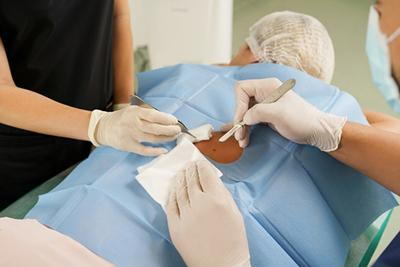
The first step is carefully removing the visible cancerous tissue along with a very thin margin of surrounding skin. This layer is kept as small as possible.
Step Two: Examining the Tissue
That removed layer goes straight to the lab on-site. While you wait, the dermatology team prepares microscope slides and examines them to see if any cancer cells remain on the edges of the removed sample.
Step Three: Removing Additional Layers If Needed
If cancer cells are still present at the margin, the dermatologist removes another thin layer, only from the exact spot where those cells were found. This step is repeated until all the margins come back clear. It’s a careful, deliberate process that can take several rounds, depending on how far the cancer has spread.
Step Four: Wound Repair
Once the area is confirmed cancer-free, the wound is closed. Depending on the size and location, closure may involve simple stitches or more advanced reconstructive techniques. The Dermatology Center of Southern Indiana offers follow-up care to ensure healing goes smoothly.
What to Expect After Mohs Surgery
Most patients go home the same day with clear instructions on how to care for the area. Some swelling, bruising, or tenderness is normal, but a major benefit is peace of mind, knowing the cancer was fully removed with the highest possible cure rate.
When You Have Questions, Call Us
If your provider has recommended Mohs surgery, or if you’ve just been diagnosed with skin cancer, getting clear information helps make things less overwhelming. At the Dermatology Center of Southern Indiana in Bloomington, Bedford, and New Whiteland, IN, the team is ready to walk you through your options, step by step, without unnecessary pressure. To schedule a Mohs Surgery consultation, call 812-339-6434.
- posted: Aug. 01, 2025
For patients at the Dermatology Center of Southern Indiana, with offices in Bloomington, Bedford, and New Whiteland, IN, skin cancer treatment often leads to one clear recommendation: Mohs surgery. This specialized procedure offers precise removal of certain skin cancers while preserving as much healthy tissue as possible. If you've just been told Mohs might be right for you, here's a clear breakdown of how it works.
Why Choose Mohs Surgery?
Mohs surgery removes skin cancers like basal cell carcinoma and squamous cell carcinoma layer by layer. What makes it stand out is its accuracy. With each layer removed, the tissue is immediately examined under a microscope, ensuring all cancer cells are gone before the wound is closed. This minimizes unnecessary removal of healthy skin, which is especially important on areas like the face, ears, or hands.
What Happens Before the Procedure
Before surgery, one of our board-certified dermatologists at the Dermatology Center of Southern Indiana team will review your skin cancer diagnosis, discuss what to expect, and answer your questions. The procedure is usually done in the office under local anesthesia, so you’ll be awake but numb in the treatment area.
Step One: Removing the First Layer
The first step is carefully removing the visible cancerous tissue along with a very thin margin of surrounding skin. This layer is kept as small as possible.
Step Two: Examining the Tissue
That removed layer goes straight to the lab on-site. While you wait, the dermatology team prepares microscope slides and examines them to see if any cancer cells remain on the edges of the removed sample.
Step Three: Removing Additional Layers If Needed
If cancer cells are still present at the margin, the dermatologist removes another thin layer, only from the exact spot where those cells were found. This step is repeated until all the margins come back clear. It’s a careful, deliberate process that can take several rounds, depending on how far the cancer has spread.
Step Four: Wound Repair
Once the area is confirmed cancer-free, the wound is closed. Depending on the size and location, closure may involve simple stitches or more advanced reconstructive techniques. The Dermatology Center of Southern Indiana offers follow-up care to ensure healing goes smoothly.
What to Expect After Mohs Surgery
Most patients go home the same day with clear instructions on how to care for the area. Some swelling, bruising, or tenderness is normal, but a major benefit is peace of mind, knowing the cancer was fully removed with the highest possible cure rate.
When You Have Questions, Call Us
If your provider has recommended Mohs surgery, or if you’ve just been diagnosed with skin cancer, getting clear information helps make things less overwhelming. At the Dermatology Center of Southern Indiana in Bloomington, Bedford, and New Whiteland, IN, the team is ready to walk you through your options, step by step, without unnecessary pressure. To schedule a Mohs Surgery consultation, call 812-339-6434.
