
Melanoma Recurrence: Warning Signs and Follow-Up
- posted: Nov. 26, 2025
Melanoma is a serious form of skin cancer, and even after successful treatment, continued monitoring plays a major role in protecting long-term skin health. At the Dermatology Center of Southern Indiana (DCSI), patients receive attentive follow-up care designed to identify early warning signs and support ongoing recovery. Knowing what to watch for helps patients feel more confident and proactive after melanoma treatment.
Why Melanoma Follow-Up Matters
Melanoma can return months or even years after the first diagnosis. Regular follow-up visits let dermatologists review the treated area, examine the nearby skin, and feel the lymph nodes for any unusual changes. These appointments also include time to revisit the patient’s medical history, discuss new symptoms, and reinforce sun protection habits to help reduce future UV-related damage. Ongoing monitoring ensures that any recurrence is found as early as possible.
Signs That May Indicate Recurrence
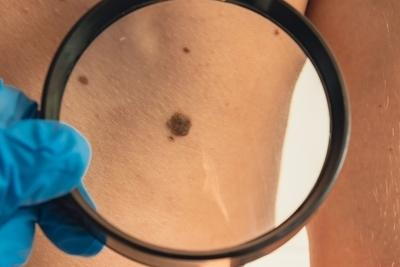
Patients with a past melanoma should stay alert to new or changing spots on their skin. A mole that increases in size, shifts in color, or becomes noticeably uneven should be evaluated quickly. A new lump beneath the skin, persistent itching, unexplained tenderness, or changes around the original melanoma site may also point to the return of abnormal cells. Not every new mark is dangerous, yet anything unfamiliar or persistent deserves a dermatologist’s attention right away.
What Happens During Follow-Up Appointments
DCSI follow-up care usually includes a complete skin exam, a careful look at the original melanoma site, and assessment of the surrounding lymph nodes. Dermatologists may use dermoscopy to examine moles more closely. When a spot raises concern, a small biopsy may be performed. The goal is early detection and timely treatment, which improves outcomes and lowers the chance of later complications.
Supporting Prevention Between Visits
Even with regular dermatologist visits, patients play an important role in preventing recurrence. Consistent sunscreen use, protective clothing, and limiting sun exposure help safeguard the skin. Monthly at-home skin checks encourage patients to stay familiar with their skin and notice new changes as they arise. These habits complement professional care and offer an added layer of protection.
Schedule a Follow-Up Skin Exam
If you have been treated for melanoma or need continued monitoring, the Dermatology Center of Southern Indiana (DCSI) offers thorough follow-up care. To schedule your appointment or ask questions about melanoma recurrence, call 812-339-6434 today and take an important step toward long-term skin health.
- posted: Nov. 26, 2025
Melanoma is a serious form of skin cancer, and even after successful treatment, continued monitoring plays a major role in protecting long-term skin health. At the Dermatology Center of Southern Indiana (DCSI), patients receive attentive follow-up care designed to identify early warning signs and support ongoing recovery. Knowing what to watch for helps patients feel more confident and proactive after melanoma treatment.
Why Melanoma Follow-Up Matters
Melanoma can return months or even years after the first diagnosis. Regular follow-up visits let dermatologists review the treated area, examine the nearby skin, and feel the lymph nodes for any unusual changes. These appointments also include time to revisit the patient’s medical history, discuss new symptoms, and reinforce sun protection habits to help reduce future UV-related damage. Ongoing monitoring ensures that any recurrence is found as early as possible.
Signs That May Indicate Recurrence
Patients with a past melanoma should stay alert to new or changing spots on their skin. A mole that increases in size, shifts in color, or becomes noticeably uneven should be evaluated quickly. A new lump beneath the skin, persistent itching, unexplained tenderness, or changes around the original melanoma site may also point to the return of abnormal cells. Not every new mark is dangerous, yet anything unfamiliar or persistent deserves a dermatologist’s attention right away.
What Happens During Follow-Up Appointments
DCSI follow-up care usually includes a complete skin exam, a careful look at the original melanoma site, and assessment of the surrounding lymph nodes. Dermatologists may use dermoscopy to examine moles more closely. When a spot raises concern, a small biopsy may be performed. The goal is early detection and timely treatment, which improves outcomes and lowers the chance of later complications.
Supporting Prevention Between Visits
Even with regular dermatologist visits, patients play an important role in preventing recurrence. Consistent sunscreen use, protective clothing, and limiting sun exposure help safeguard the skin. Monthly at-home skin checks encourage patients to stay familiar with their skin and notice new changes as they arise. These habits complement professional care and offer an added layer of protection.
Schedule a Follow-Up Skin Exam
If you have been treated for melanoma or need continued monitoring, the Dermatology Center of Southern Indiana (DCSI) offers thorough follow-up care. To schedule your appointment or ask questions about melanoma recurrence, call 812-339-6434 today and take an important step toward long-term skin health.
